


4k vs. 8k TVs: What’s the Difference?
Picking out a new TV can feel like a big decision, especially with resolution options stepping up every few years. Two of the most common terms you’ll hear today are 4K or 8K TVs, each offering different levels of detail that change how you see movies, shows and everyday viewing.
Knowing the difference helps you decide which suits your home best, whether you’re after crisp clarity for streaming or the ultimate sharpness for a true cinema feel. Here’s a simple look at how 4K and 8K compare, so you can choose with confidence.
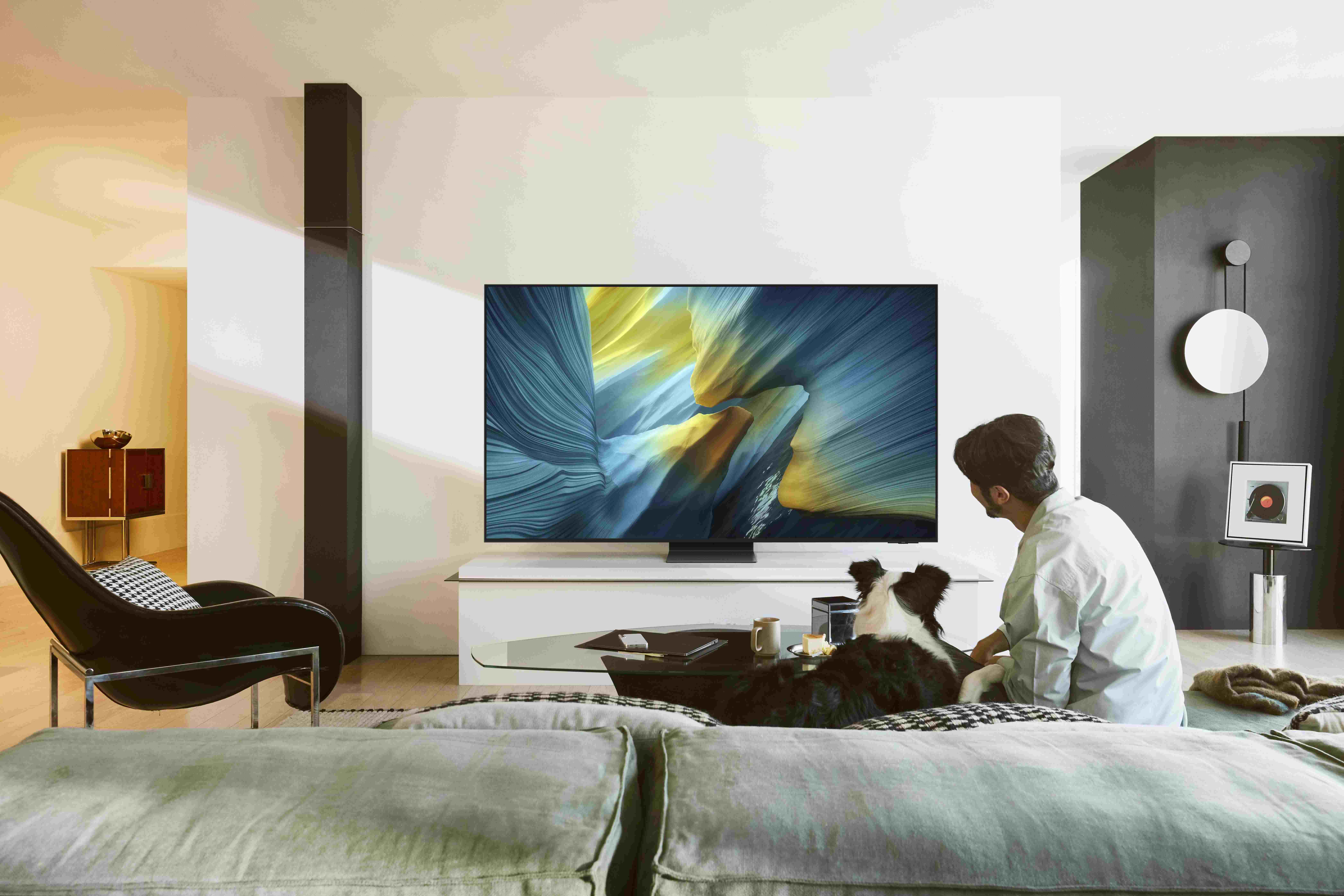
What is 4k TV?
A 4K TV delivers four times the detail of a standard HD screen, giving you sharper edges, smoother textures and a more lifelike picture overall. With millions of pixels working together, everyday viewing looks clearer and more polished.
Since most streaming services, gaming consoles and discs now support 4K, it’s easy to enjoy content in this resolution. In short, 4K brings a noticeable step up in quality that makes movies and shows feel more alive.
What is 8k TV?
An 8K TV takes resolution to the next level, offering four times the detail of 4K. With an enormous number of pixels packed into the screen, the picture looks incredibly sharp, even on very large displays. This means you can sit closer without seeing any blur, creating a more cinematic experience at home.
While native 8K content is still limited, these TVs use advanced upscaling to make lower‑resolution shows and movies look sharper. Put simply, 8K is about achieving the highest clarity possible, making images feel almost real.
What is the price difference?
Both 4K and 8K TVs are more of an investment than standard HD models because of the advanced resolution they offer. 4K has become more affordable over time, making it a popular choice for most households. 8K is positioned at the premium end, aimed at those who want cutting‑edge clarity and future‑ready technology.
Both are more of an investment than entry‑level TVs, but many people find the extra spend worthwhile for the sharper, more immersive viewing experience.
Which one should I get?
If you’re weighing up 4K versus 8K, your choice depends on what you’re looking for in a TV. A 4K model is a smart fit for most households, offering sharp detail and wide support across streaming services, gaming consoles and everyday content. It’s practical, accessible, and delivers excellent picture quality.
An 8K TV, on the other hand, is designed for those who want the very best clarity available and usually comes in larger sizes, often 74 inches or more, where extra pixels really make a difference. With advanced upscaling and incredible sharpness, 8K suits anyone building a home cinema or wanting to future proof their setup, giving you a viewing experience that feels closer to real life.
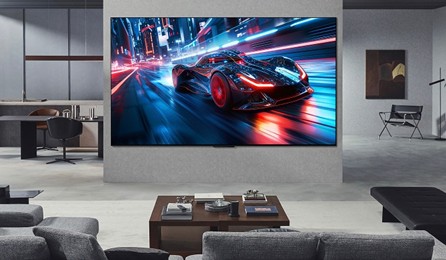
With resolution stepping up every few years, it can be tricky to know what matters most. Both 4K and 8K TVs are designed to deliver sharper detail, but they suit different kinds of viewers depending on how you watch and what you value.
So when you’re weighing up a 4K vs 8K TV, focus on how each resolution aligns with your viewing habits and room setup, once you understand those differences, choosing the right fit becomes much easier.